
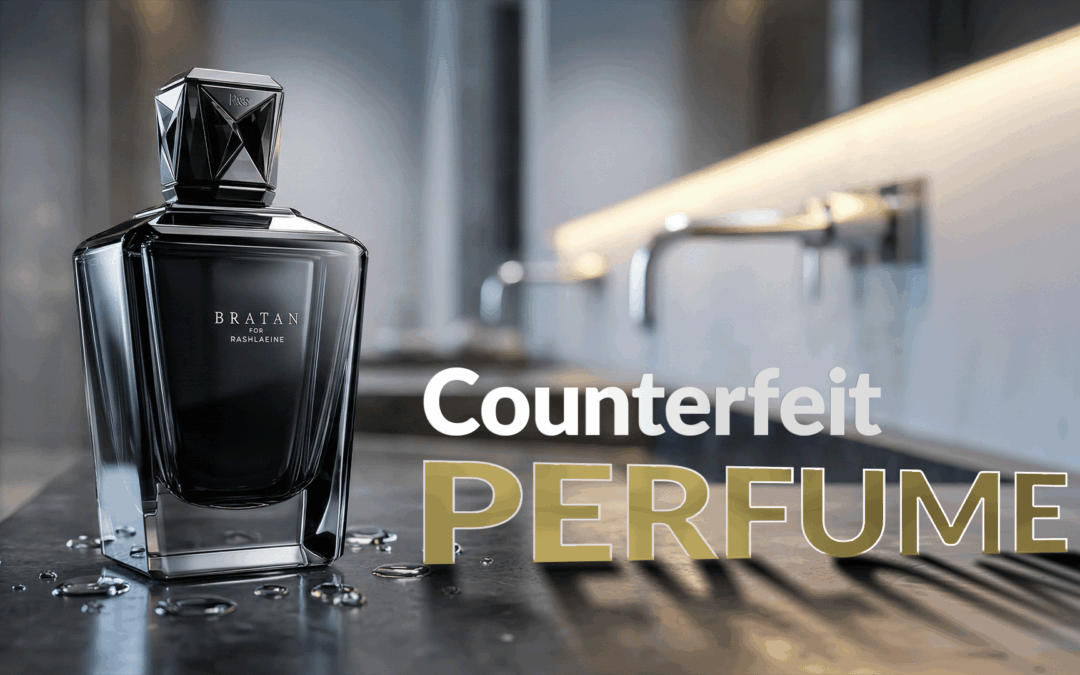
Counterfeit perfumes are the fourth most seized item by the U.S. Customs and Border Protection (CBP), according to the latest Intellectual Property Rights Seizure Statistics Report. CBP officials seized more than 500,000 fake fragrance items, amounting to over $57 million (USD) in retail value. The number proves how fakes are flooding the market, risking the reputation of the entire fragrance industry.
The number of counterfeits is growing year on year. For example, in CBP’s 2023 report, the number of seized counterfeit perfumes stood at 44,000. The high demand for the scents makes them a prime target for counterfeiters. Brands have to act promptly to prevent the situation from worsening.
The good news: anti-counterfeiting technology is on your side. For example, AlpVision’s Cryptoglyph is a cutting-edge technology that integrates directly into your perfume bottle packaging. It’s invisible to the naked eye but can be easily combined with other visible and security solutions to keep counterfeiters at bay.
Risks of Counterfeit Perfume
Counterfeit perfume presents measurable health, safety, and regulatory risks. While many consumers search for fake fragrances due to lower prices, these products aren’t manufactured under regulated cosmetic standards.
1. Health Risks
Authentic perfumes must comply with IFRA standards and regional cosmetic regulations. Counterfeit perfume is produced without oversight, stability testing, or toxicology review.
Counterfeit products are almost always made with subpar content when compared to the original ingredients’ quality. But the problem is dangerous in the case of perfumes. According to the NY Department of State, counterfeit fragrances have been found to contain chemicals linked to:
- Cancer
- Acne
- Eczema
- Respiratory discomfort
Because counterfeit manufacturers don’t follow formulation standards, concentration levels of alcohol and fragrance oils are inconsistent, leading to the above health risks.
2. Product Instability and Chemical Exposure
Perfume requires controlled ratios of alcohol, fixatives, and aromatic compounds. Counterfeit perfume lacks this precision, causing:
- Rapid evaporation
- Harsh or imbalanced scent release
- Oxidation or chemical degradation
- Increased exposure to volatile compounds
Consumers interpret these issues as poor product quality, without realizing the fragrance is counterfeit.
3. Regulatory and Compliance Violations
Fragrances are regulated cosmetic products in most markets. Authentic manufacturers must comply with:
- Ingredient restrictions
- Allergen disclosure rules
- Labeling requirements
- Safety documentation standards
Counterfeit perfume bypasses these controls. When unsafe products circulate under a legitimate brand name, authorities increase regulatory scrutiny, as well.
How Counterfeit Perfumes Damage A Brand
When fragrances with such substandard smell quality reach your customers, here’s how they impact your business:
- Trust erosion: Counterfeit perfumes fail to deliver the fragrance notes complexity, scent longevity, and overall experience of original ingredients. People feel cheated, as the fake products get into the supply chain sneakily, fooling customers. This negative experience with smell impacts consumer trust and diminishes the perceived value of luxury perfumes like Creed.
- Revenue loss: Every fake product sold represents lost sales for the genuine options. This is one of the reasons why brand protection is important. Online sellers have also become a breeding ground for fakes, cutting a deeper hole in your revenue.
- Brand dilution: When counterfeit perfumes fail to meet customer expectations, your reputation takes the hit, not the counterfeiters. It might even create long-term damage, such as reduced brand equity and difficulties in maintaining a luxury and premium price positioning in the market.
- Legal risks: Counterfeiters create perfumes inspired by popular brands, misleading customers. The fake options often fail to comply with safety regulations, which can result in lawsuits or fines if consumers associate them with you. While the legal battles might not amount to anything, they will still stress your resources.
How to Protect Your Perfume Brand from Counterfeits
There are many traditional anti-counterfeiting options, including:
- Holograms
- QR codes
- Microtext
However, they fail to keep up with modern counterfeiters’ strategies. This is where a technology like AlpVision’s Cryptoglyph helps in protecting real items.
What is Cryptoglyph?
Cryptoglyph is a patented, digital anti-counterfeiting technology safeguarding your perfume bottle packaging. It’s invisible to the naked eye, making it virtually impossible for counterfeiters to replicate. The technology works as packaging protection for your chosen materials, including a box, labels, and even paper inserts.
Unlike other solutions like microtext requiring specialized materials or complex equipment, Cryptoglyph works by embedding invisible digital markers directly into the product. On the consumers’ end, they can easily authenticate the fragrance with a simple smartphone app—without any expert or special tools.
How Does Cryptoglyph Work in Protecting Perfumes?
Cryptoglyph gets embedded into your packaging as part of the standard print process. This means no additional materials, no visible alterations, and no changes to your supply chain. The easy integration means you can maintain the aesthetics of the packaging, which is important for a consumer-facing product.
If you already have an overt security feature like a hologram or QR code, you can combine Cryptoglyph with the existing features. The overt feature (visible to the naked eye) gives your consumers peace of mind, while Cryptoglyph makes the security more sophisticated.
Next comes the quick verification:
- For brand owners: Your internal teams can use AlpVision’s smartphone app to authenticate the perfume bottle at any chosen point in the supply chain. This is particularly useful for identifying fakes before they reach the market, helping you proactively combat counterfeit networks.
- For consumers: The process for consumers is just as simple. With a quick scan using their smartphone, customers can instantly check whether their product is genuine and authentic. This not only deters counterfeit purchases but also enhances customer engagement. Plus, Cryptoglyph’s ability to be combined with a visible security feature makes the detection easier.
Benefits of Using Cryptoglyph for Brands
Every fake seller cherry-picks popular brands with distinct smells–like Creed–to replicate, increasing the need for immediate protection. Having a solution like Cryptoglyph helps you fight this anti-counterfeiting battle seamlessly. Here are six ways it helps you fight back:
- Maintain your branded packaging: Cryptoglyph doesn’t require you to overhaul your existing design or production processes. The digital marker is applied during the standard printing process, ensuring minimal disruption. This means you will maintain aesthetic integrity along with brand protection.
- Empower your internal teams: Your supply chain and quality assurance teams need tools to quickly identify counterfeit scents. Cryptoglyph’s smartphone-based authentication makes this process instant and straightforward. Whether inspecting products at a warehouse or during market surveillance, your team can verify the real ones in seconds.
- Enhance consumer confidence: With Cryptoglyph, you not only protect your brand but also help your customers buy authentic scent options. You create loyalty as people can see your proactive measures of protecting them.
- Reduce costs: Traditional anti-counterfeiting measures often involve expensive materials, such as NFC chips, especially in the luxury retail industry. Cryptoglyph eliminates the need for these additional components, reducing your overall costs while providing a more secure solution.
- Scale without complexity: No matter the size of your chosen production processes, Cryptoglyph can implement security features in record time.
- Track and report product data: Integrate Cryptoglyph with our Brand Monitoring System to collect valuable authentication statistics.
Spotting Fake Perfumes is Easier for Consumers with Cryptoglyph
When a business decides to implement the Cryptoglyph solution, it creates a ripple effect, positively influencing consumers in spotting counterfeits. The consumer can have:
- Informed purchases: Empower consumers to verify the authentic scents when they buy, easily with a smartphone scan. This ensures they receive the high-quality experience they expect from you.
- Increased confidence: Provide a simple way to check authentic options, strengthening the trust people place in you. The confidence makes the customers return for more purchases, instilling loyalty.
- Convenient verification: With a smartphone-based solution, verifying authenticity is quick and easy. Customers can scan their product’s packaging anytime, anywhere they shop, without needing specialized tools or assistance.
Beat Perfume Counterfeits with AlpVision
The threat of counterfeiters isn’t stopping anytime soon. In fact, with the growth in online marketplaces and grey market sellers, it’s growing exponentially. At the same time, consumers demand easy-to-use verification options—ones they can trust. Consumers expect their favorite scent to be authentic and safe, not a risky imitation.
Cryptoglyph is the best anti-counterfeiting solution for the perfume industry. It combines powerful security with user-friendly technology. For brands, it protects your price integrity, reputation, and consumer trust—guaranteeing a return on your investment. On the other hand, it will also empower buyers to make confident, informed decisions.
Select Cryptoglyph to transform your perfume’s anti-counterfeiting strategy. Contact us today to learn more.
Frequently Asked Questions
How do I spot a fake perfume?
1. Price and seller: This is the first indicator of a counterfeit product. If the price is too good to be true, especially from an unauthorized seller or marketplace listing, the product may be counterfeit.
2. Spray mechanism and pressure: Authentic perfume atomizers produce a fine, even mist. Counterfeit perfume often releases uneven spray patterns, dripping streams, or inconsistent pressure due to lower-quality pump mechanisms.
3. Scent longevity: A counterfeit perfume might be able to replicate the fragrance closely, but it is quick to fade. You can compare with an authentic perfume to tell the slight differences.
4. Scent development over time: Authentic fragrances are formulated with structured top, middle, and base notes. If the scent fades unusually fast, smells sharply alcoholic for an extended period, or does not evolve over time, the product may be counterfeit.
5. Packaging quality: Look for misspellings, blurry logos, uneven printing, thin cardboard, or poorly sealed wrapping. Missing manufacturer details or ingredient information may also indicate counterfeit perfume.
6. Bottle construction: Counterfeit perfume bottles often show manufacturing defects such as uneven glass thickness, visible air bubbles, rough edges, loose caps, or misaligned spray nozzles. Genuine bottles are symmetrical and carefully assembled.
Even with these checks, visual inspection alone won’t guarantee authenticity. High-quality counterfeit perfume can replicate packaging convincingly, which is why product-level authentication is increasingly used to verify genuine fragrances. Verification through authorized retailers or brand-supported authentication tools offers greater reliability.
Are batch codes a good indicator of authentic perfumes?
What are some reliable ways to buy authentic perfume?
1. Buy from authorized retailers: Purchasing directly from the brand’s official website, authorized department stores, or certified distributors significantly reduces the risk of counterfeit perfume. Unauthorized marketplace sellers and social media resellers carry a higher risk.
2. Verify the seller’s legitimacy: Check whether the retailer is listed on the brand’s official website. A lack of a verifiable business address, return policy, or customer support information may indicate an unauthorized seller.
3. Be cautious of extreme price discounts: Luxury fragrance brands rarely offer steep, uncontrolled discounts outside official promotions. A price significantly below standard retail increases the probability of counterfeit perfume.
Because high-quality counterfeit perfume can closely replicate packaging and design, controlling where and how you purchase is often the most effective safeguard.
What should I do if I’ve purchased a counterfeit fragrance product?
1. Stop using the product immediately.
2. Compare the packaging and batch code with an authentic product from an authorized retailer.
3. Contact the brand’s official customer service to report the issue.
4. Report the seller to the marketplace or payment provider.
Reporting suspected counterfeit perfume helps brands track and remove fake products from circulation.
What does a fake perfume contain?
Contact Us